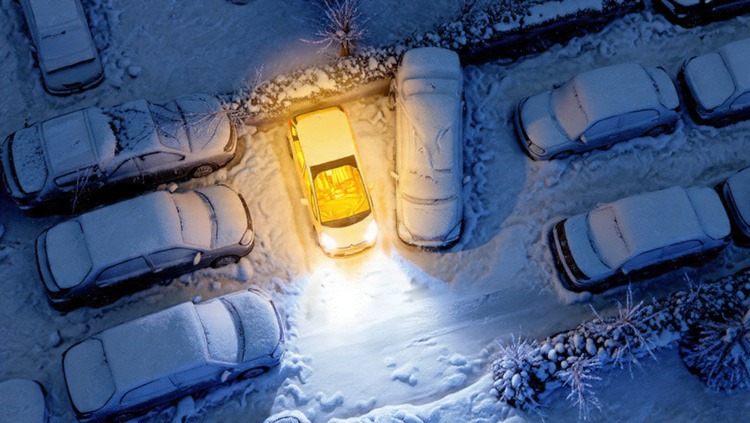
During the winter months, cars are used just as much as in summer, but cold temperatures place additional stress on components, requiring more careful attention to the engine and running gear.
When the temperature drops below –1 °C, you should not start the engine and drive off immediately because:
- condensation quickly forms in the exhaust system;
- oil becomes thicker and flows more slowly;
- fuel system pressure decreases;
- friction inside the cold engine increases.
If the engine is not warmed up properly, its components wear out faster, and repairs can become costly.
Warming up the engine for too long is also harmful: extended idling leads to carbon deposits on spark plugs, cylinders, and pistons, which reduces engine performance.
Recommended warm-up times for gasoline engines:
- up to –10 °C — 1–2 minutes;
- –10 to –20 °C — about 5 minutes;
- –20 to –40 °C — 7–9 minutes;
- below –40 °C — two sessions of 10 minutes with a 10–15 minute break.
Optimal operating temperature is 90–100 °C.
Diesel engines need to be warmed up longer and only at idle — until the cabin heater begins to blow warm air. The optimal temperature is around 90 °C.
Warm-up speed depends on:
- the size of the vehicle;
- engine displacement;
- the quality of the motor oil;
- the condition of the heater radiator.
To warm up the cabin faster in winter:
- turn on the low-beam headlights 30–40 minutes before driving to “wake up” the battery;
- start the engine with the gearbox in neutral;
- switch on the cabin heater only a few minutes after the engine starts;
- begin driving once the RPM drops to around 1000, maintaining 50–60 km/h for the first minutes of the trip.
To speed up the warming process, you can turn on the air conditioner — it dries the air, which helps the windows defrost faster and the cabin heat up more efficiently. The recirculation mode is not recommended.
You can also use an auxiliary heater connected to the engine cooling system or cabin heating system, but installation should be done by a specialist. Some cars use a circulation pump that warms the engine and makes starting easier.
To avoid breakdowns and unnecessary expenses during winter, it is important to warm up the engine and cabin regularly and consult specialists at the first signs of problems.